
Words Have Meaning

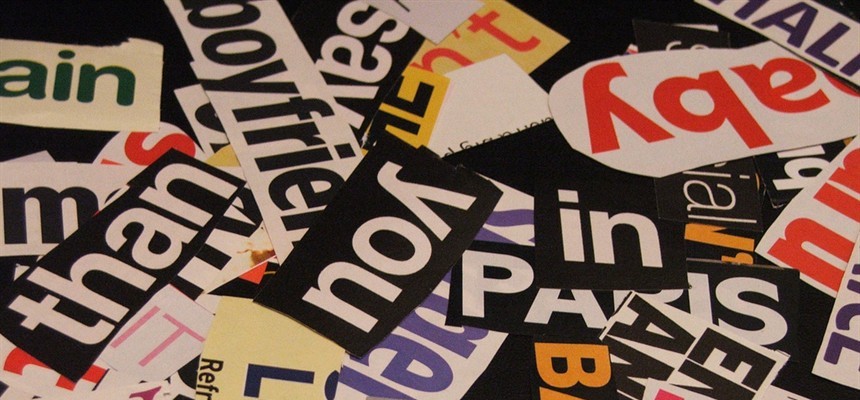
Thank you Grammarly for posting this.
Student: Can I borrow a pencil?
Teacher: I don't know, Can you?
Student: Yes. I might add that colloquial irregularities occur frequently in any language. Since you and the rest of our present company understood perfectly my intended meaning, being particular about the distinctions between "can" and "may" is purely pedantic and arguably pretentious.
Words have meaning. Language has a purpose and it can convey much more than just simple communication. We are fighting a war of language right now, and it is far more prevalent than you could imagine. This war is not a silly one of improper grammar, but a very serious war that reaches into the depths of our societal soul.
Just a few years ago this banter over the grammatically correct use of the word "can" versus "may" would have been followed by a chuckle and many nods at the memory of a parent or teacher who tried hard to drive home the point. My mother was one such person, a parent and teacher, who not only influenced me to use our language properly, but also instilled in me a love for the language we speak. The basic purpose of language is communication. The correct use of language is not snobbery, it helps facilitate accuracy of meaning. Degrading the meaning of a word diminishes the impact of that word or worse … it can change our very perception of meaning. The simple example above is obviously funny, and intended to be so, but there are far deeper implications by comparing this seemingly innocuous banter to our current society. Language is being used against us in many ways. A snide come-back such as the one above by the student does not change the fact that the use of the word "can" is incorrect, and it does not change the meaning of the word or sentence. The war for our language is far more sinister and runs deeper than the meaning of "can." Many attempts are being made to change the meaning of values, and the ultimate goal is to change our view of reality. Moral relativism is at the core of this war on our language, and it is time we took notice. What follows are some examples that I hope will shed some light on this subject.
Shell Shock, Battle Fatigue, Post Traumatic Stress Disorder, and PTSD
I remember a George Carlin rant on the use of language and how it changed over time. He used the example of Shell Shock, Battle Fatigue, and Post Traumatic Stress Disorder. He explained that Shell Shock was a condition from World War I that explained the condition of many returning soldiers, but by World War II the same condition changed to Battle Fatigue. George Carlin used his comedic charm to point out that a two syllable condition now had four syllables and sounded a bit less harsh. He went on to say that the same condition by Vietnam had eight syllables, and I would add that we now refer to this condition simply as PTSD. Think about the term and how often you have heard it used. Does PTSD conjure up the same image as Shell Shock? The "softening" of our language has disassociated the image from the condition. It is much less effective in communicating the idea of how the horrors of war affect our fellow citizen soldiers. Good or bad, we could argue either way, but I do know how we refer to it does not change the meaning of the condition.
Gender versus Sex
"Gender" is used in languages that have masculine, feminine, or neutral words. French and Spanish for example have gender, but English does not. "Sex" refers to the genetic reproductive identity of human beings. The improper use of "gender" is significant. When you refer to someone's sex, the mind's reaction is more pronounced then referring to someone's gender. Think about those two words again, and say them aloud to yourself: gender and sex. The reaction to each word is very different. I haven't researched this thoroughly enough to know the exact date, or even the decade the term gender was intentionally misused to refer to sex, but I can tell you that is it being deliberately used now to soften the impact. Think about rephrasing the "gender debate," to the "sex debate." Here's another one: "gender issues" versus "sex issues," or how about "gender identity" versus "sex identity." Disassociating the true meaning of reproductive identity from the conversation allows a dishonest movement away from the truth.
Actor versus Actress
Many women in Hollywood and on Broadway have been calling themselves "actors" now for a few years. What is the distinction between an "actor" and an "actress?" One is a male and the other female. I researched this a few years ago and the intention is very clear; it is an attempt to blur the line between male and female. I won't go into the details, but if you doubt me do some searching on the Internet and you will find out for yourself. Why use language to blur the lines between male and female? Perhaps it is for equality in pay, which is a noble and necessary goal. Is blurring the lines at the expense of losing the identity of actress worth it? Fast forward to this past month and think about the differences between men and women with regard to Bruce Jenner. Does the blurred line matter now? Calling herself an actor does not change a woman's sex, but it dues diminish her femininity, at least in the conversation, and that does have impact.
There are many other examples of how language can be used against us. Language is a powerful tool because it communicates ideas, feelings, emotions, intentions, passions, and so much more. Correcting the misuse of grammar may seem "pedantic and arguably pretentious" on the surface, but the meaning of words really matters. Truth is truth; it doesn’t matter what you call it, and by using the correct meaning of words in our communication we can have open and honest debate.
Recommended Stories
My name is Rusty Korhonen and I am a non-cradle Catholic and devout follower of the faith including the Catechism of the Catholic Church, Magisterium, Traditions, and all tenets of our Faith. I am also a political Conservative to the core. My passions lay with the Truth, and the writing I intend to contribute will most certainly focus on the Truth as it relates to current events, politics, societal happenings and the unfortunate erosion we experience all around us. My opinions are strong, yet my focus is not OP/ED. Rather, I intend to focus on specific news items, and explore the implications to Catholics and American society at large.
I also am an avid Fly Fisherman, parent of two amazing boys, am happily married and dearly love my wife. I am a former distance runner, outdoor enthusiast, conservationist (NOT environmentalist and can explain the vast difference), and love history.
Follow me on Twitter: @Fe2O3y



