Sponsored

Catholic365 is sponsored by
Road to Purity


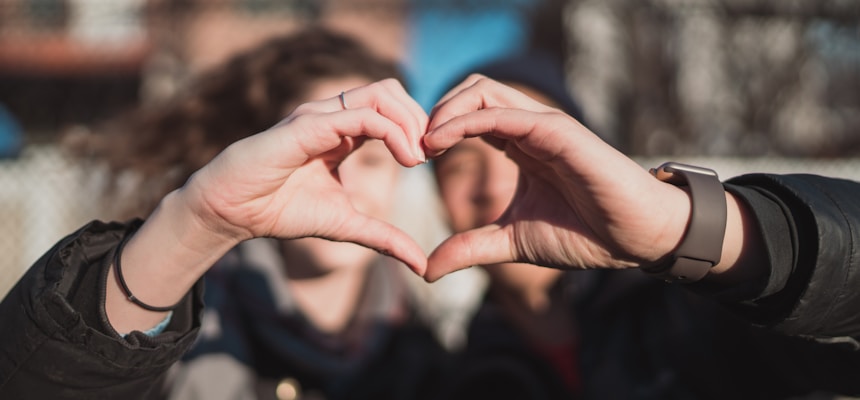
I'm playing hooky from my job covering an online conference about green home building and renovation as I write this. I've been listening every day this week to panelists, each occupying their Zoom square, speaking about "Using the Energy Star Brand In Your Marketing" and "Auditing a Customer's Home During a Pandemic when Nobody Wants a Stranger In the House." Every evening I write up a summary, with photos, that I post online.
I've wanted to lie down each afternoon, exhausted from listening, summarizing, writing, and editing. I was going to skip this week's session with my favorite, creative nonfiction writing group so that I could listen to another presenter in a box say something about "Strategies for Sealing Unconditioned Spaces." My readers and I know plenty about conditioned and unconditioned spaces, so I did the free write among my fellow writers instead, and that's how I felt—free.
I've spent a lot of time in symbolic unconditioned space, not the comfortable room where one can breathe fresh air free of mold spores and volatile organic compounds. For me, the unlivable space has been about 18 inches down from the brain—the heart—no man's land.
For a man like me, born in the United States in the 1950s, emotions like anger were okay in sports or used up punching a hole in the drywall and then spackling it and repainting. But feelings of failure and pain? Not so much. In high school, I hurt my neck junior year during a preseason workout. The doctor told me I had to quit. My ego hurt because I identified as a jock in school and felt like a failure in the eyes of my teammates. I started lifting weights like a madman, trying to act more muscular than I was at the time. The feeling of inadequacy took me several months to overcome. Once, also in high school, I met a woman who was declared Miss Virginia. She was very friendly and down-to-earth, and she agreed to go to a school dance with me. I had a massive crush on her but never called her again because I talked myself into believing she was dating an all-state wrestler and that I was a wimp. I didn't have a lot of confidence in high school. I rejected my feelings and desires before someone else could.
I chose an engineering major over English in my freshman year of college because I wasn't ready to follow the promptings of my heart, which could involve the whole terrifying human experience. As an engineer, not only would I be guaranteed a job when I graduated, but I would deal primarily with machines and other complicated things that I could try to bend to my will. My worth would be associated with what I do and not who I am. An engineer is who they are or want to be for many people. I tried to read novels and write about my life to understand that mystery 18 inches below my head, while my head told me I should be solving math problem sets in the library basement.
I went all the way to grad school. I wrote a thesis about "Velocity Measurements Inside a Left Ventricular Assist Device Using Pulsed Doppler Ultrasound." It was published in the Journal of Biomechanical Engineering years and years before I built up the courage to read a bit of my creative nonfiction about my relationship with my mother, "The Broken Door," at a Zoom event. I am no longer an engineer. I call myself a science writer and a poet. I write a lot of personal essays now, as I get to know the real me and learn about myself through my marriage, bumping up against each other's personalities and slowly learning to accept that spouses are human too. And I am trying to forgive myself for spending so much time doing things that I did not like doing and that we're not good for me.
At first, living with my sensitive and vulnerable heart on my sleeve led to feelings of pain, rejection, and misunderstanding. When we know what we want and ask for it—in prayer, from a job, or with a loved one, the answer will sometimes be "no." I get a lot of rejections from literary magazines right now! The pain of these experiences can make us want to hide who we are and what we want. But that way leads to more pain and, for me, depression. Hiding my heart in a case made of plastic and titanium, like the one I researched in grad school, and ignoring the hidden hurts and heartaches has led only to more misery. Feeling the emotional injury is better because it goes away. You discover you can handle it and come out of the pain and find resiliency so that a tender heart does not have to be a fragile heart. The absence of grief, the forgiveness I give myself for sometimes tossing away love like a candy wrapper because I was afraid of rejection, leaves open a space for joy.
"Strategies for Retrofitting Foundations in the Era of COVID-19" can wait. For now, I'll keep writing from the heart.



