Gratefully "Into the Wild Blue Yonder"

Help Me; Help Me!!!
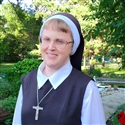

Photo By: Flickr/Anuradha Sengupta
I work at St. Anne’s, an assisted living-type facility in Grand Forks, North Dakota. Life is not dull here, but some days and weeks are busier than others.
Amidst the busyness and long hours of work yesterday, doing my own regular work and then helping train in a new staff person, a little childish fun was one of the highlights.
I wanted let the new person know what the emergency call signal from our independent apartments sounded like and help her learn how to respond to it.
Thus it was that, while she was sitting with the receptionist at the front desk, I took the master key and walked down to a vacant apartment.
I went into the bathroom and pulled the emergency chord, which sets off a buzzer at the reception desk.
Going down on my knees on the floor, I waited for the responding party. As I heard them draw near (the receptionist and trainee), I began to call out in an exaggeratedly mournful voice, “Help me; help me!”
I had fun, and it reminded me of when we used to do little plays for fun as kids. It was a great way to relieve a little stress and tension on a 16-hour work day.
The above-described dramatized, embellished cry for help, though, is not totally artificial. I might try using it at prayer when I feel a special need. It won’t bring my co-workers coming with a gait belt to lift me off the floor, but it would probably bring some help from Above.
The psalms give me a good example for such heavenward supplications, offering various cries for help pertinent in any age. Psalm 86 pleads “Incline your ear, LORD, and answer me, for I am poor and oppressed.” Earlier, in Psalm 69, we hear: “Save me, God, for the waters* have reached my neck.”
These are just two examples of cries for help, first used by the Psalmists, which can be ours as well. Even when praying the Liturgy of the Hours, we often begin with “O God, come to my assistance; Lord, make haste to help me.”
Adapted from an article originally posted on Our Franciscan Fiat
Recommended Stories
About the Author
After fourteen years of working at St. Anne's Living Center, a care facility for elderly and disabled persons, Sister Christina now serves at St. Francis Convent and retreat center in Hankinson, ND. Along with other duties there, she also writes a blog for her religious community of Franciscan Sisters of Dillingen. Read more at ndfranciscans.org/fiat