Sponsored

Catholic365 is sponsored by
Road to Purity



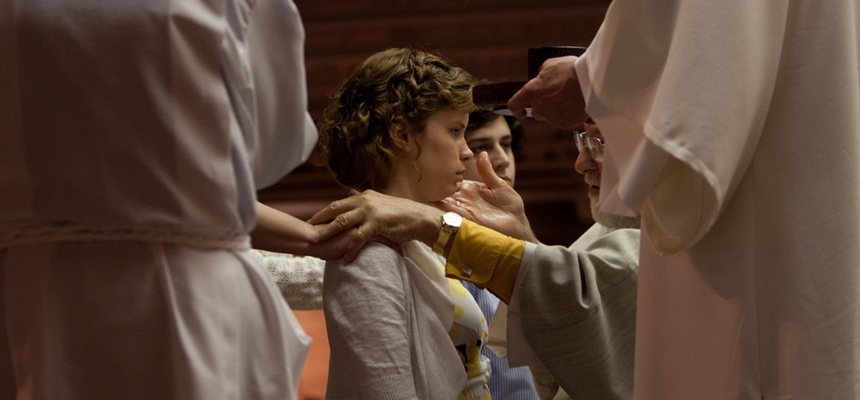
Inspired by Pope Francis’ recent attention to the seven sacraments -- unique encounters with the Living Christ that should be made accessible to all Catholics -- this monthly series will look at practical and creative ways the sacraments can come alive in our classrooms and in our homes.
The Sacrament of Confirmation is the completion of baptism because it deepens and intensifies the gifts of the Spirit that we received at our first sacrament. In Confirmation, we affirm the promises that were made on our behalf at baptism, and declare our own intention to follow Christ. Through this sacrament, we are charged to witness to Christ in spreading and defending the faith by word and deed.
It's a grand mission – but not one we are expected to carry out unarmed. That’s where the Gifts of the Spirit come in: wisdom, understanding, counsel, fortitude, knowledge, piety, and fear of the Lord. While actually given to us at baptism, these gifts are activated in a special way at Confirmation to enable us to do the work the Lord wishes us to accomplish. These gifts are not meant for our own edification, but to help others in their spiritual journeys. There’s a catch, however. We need to understand what these gifts are, and then cooperate with God’s grace to put them to work for the kingdom. And that requires an on-going prayerful dialogue.
One of the most misleading concepts I see in young people at Confirmation age, is the belief that this sacrament is an ending or a graduation, rather than the beginning of an exciting new life together with Christ. The reality is, cultivating our faith and developing a personal relationship with Christ is a lifetime endeavor, not one that we complete after a few classes or degrees. As catechists and parents, we need to emphasize to young people that religious education is learning for life. Subjects like math and science may be important in their future careers, but understanding their faith and developing a close hand-hold with Jesus can literally save a person from falling into disastrous consequences.
Here are a few suggestions to enhance the experience of Confirmation:
Reflection on Our Own Confirmation. As we help to prepare young people to make a serious commitment to follow Christ, we can ask ourselves how we are doing in fulfilling our baptismal promises and responding to the Holy Spirit. How are we developing our gifts – which gifts do we seem to have and which ones might we pray more to activate in our life?
A Well-Chosen Sponsor. An important prayer partner for a Confirmand is the sponsor. This should be an individual who is knowledgeable and serious about his or her faith and committed to being there for the Confirmand, particularly in the next several years, when the risk is highest for this person to drift from the faith.
Saintly Companions. The saints are one of the great treasures of our faith, serving as models and intercessors. Encourage young people to develop an early and fervent friendship with the saints through books, videos, and feast day celebrations, so that choosing a saint name at Confirmation will be an exciting adventure, rather than a boring homework assignment.
Youth Programs. A vibrant youth ministry program is key to helping young people remain connected to God and their parish after Confirmation. Catholic Youth Ministry programs must be engaging and relevant, with age-appropriate activities, music, fun, food, prayer, and witness talks. But what defines a Catholic Youth Ministry program is the ability to receive the sacraments of Eucharist and Confession. These are vital for growth in holiness.
Parish Ministry Involvement. Here’s an idea that’s catching on with many DREs and Confirmation catechists. At the beginning of the Confirmation year, have representatives from your parish’s various ministries give 2-minute talks about their programs. Each student is to choose a ministry to get involved in during that year. Toward the end of the year, have a party with snacks, invite parents, and let the young people share their experiences. The hope is that they will continue in their ministry program, or perhaps try out another one they discover through this sharing. The bottom line is to encourage young people to remain involved. They are the future of our Church!



