A Movement of Mercy

The Face of Mercy to Those in Misery Part #2
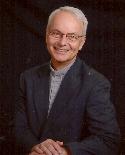

Photo By: Flickr/Abady.K
Bridges: The Face of Mercy to Those in Misery
Part 2 of a Four Part Series
Love, forgiveness, and becoming instruments of mercy have been foundational themes that have highlighted our Holy Father’s messages on mercy this past year. They also form the foundation of his new Apostolic Letter, “Mercy and Misery” promulgated November 20th. In this second article, of our series, we will examine five additional bridges and how we can build on the foundations of mercy.
4) Pastoral ministry. This ministry is to be renewed and shaped by the Holy Spirit who points out new paths to bring mercy to all. (#5) It should lead to a direct experience of how liturgy and sacraments are expressions of the Lord’s mercy. #15
5) The sacramental life. Our liturgical prayers are full of the reminders of God’s mercy being poured out and lifting us up. God’s love, which is mercy, precedes, accompanies and remains with us despite our sin. Mercy is not merely invoked but is granted, received, and experienced. There is a power here, “like a gusting but wholesome wind” that transforms us and changes our lives. #4-5
6) The proclamation of Scripture. Scripture is the pulsing heart of a Christian. Through it, God continues to speak to us, dwells in our midst, accompanies, and shows us the path of life. His word speaks to our inmost needs and worries, giving us a concrete experience of His closeness. This personal experience of mercy becomes the bedrock of our lives and our witnessing to the Gospel of salvation. #6-7
7) The Church. The mission of the Church is to be a permanent instrument of God’s mercy and forgiveness to all, especially the poor. #7, 4, 20
8) The Sacrament of Confession. This sacrament must regain its central place in the Christian life where everyone is afforded the opportunity of experiencing the liberating power of forgiveness. Love conquers all, thus God’s immense grace of reconciliation and pardon takes on the face of mercy and gives us the ministry of Reconciliation. #8-12
To grow in our love, forgiveness, and becoming instruments of mercy we have to immerse ourselves into the life of the Holy Spirit, which is fully realized in the life of the Church. Thus the invoking of the Holy Spirit to renew the pastoral ministry, sacramental life, living out of Scripture, the mission of the Church, and the sacrament of confession is key in our experiencing mercy and being able to build bridges of mercy to others. The Holy Spirit not only fortifies and inspires us, but He seeks to guide us in how we can personalize and put flesh on our mercy. This will be the focus of our next article.
[In theology and church writings, citing the paragraph or section number of a work is regular practice. For example, the (#3) at the end of one of my sentences means the third section of the document is quoted or referred to. Most sections within a document have paragraphs that are not numbered, but referred to with a letter, although no letter is found in the document. Thus (#1b) would be section #1, second paragraph (b).]
Recommended Stories
About the Author
Deacon Michael Knuth was ordained a permanent deacon for the Diocese of Duluth, Minnesota in 1991. He has served the Church for the last 40 plus years in various educational roles as a volunteer catechist, a Director of Religious Education for two parishes (13 years), Director of the Office of Word for the diocese (1 year), and Diocesan Vocation Director (16 years).
He is a certified spiritual director having received his certificate from the Cenacle of Divine Providence’s School of Spiritual Direction in Clearwater, Florida. Deacon Mike has taught at all levels from cradle to grave; enjoying adult education, RCIA, and the formation classes for the permanent diaconate program of his diocese. He has conducted numerous seminars, in-services, workshops, and retreats.
He is currently doing spiritual direction, working with his wife caring for his elderly mother with Alzheimer’s, and writing a number of short stories and articles to be published. He is currently living in Pequot Lakes, Minnesota with his wife of 41 years. They have five adult children, two daughters who are consecrated, a son and two daughters who are married and providing them grandchildren.