Why Does God Permit Evil?
Sponsored

Catholic365 is sponsored by
Road to Purity




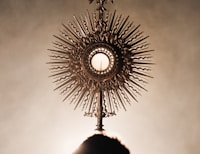
Over the past few decades, a quiet but powerful trend has emerged within the Catholic Church, particularly among younger generations: a revival of interest in the Traditional Latin Mass (known formally as the usus antiquior), Gregorian chant, and devotions that flourished prior to the Second Vatican Council. This trend can be understood as part of a broader cultural and ecclesial reaction to decades of liturgical experimentation, secular encroachment, and catechetical decline following the 1960s. As Western societies drift further from their Christian roots, many believers are seeking solid ground—something rooted in permanence and orthodoxy. At the same time, the Catholic Church has undergone significant internal debate and division over the interpretation and implementation of Vatican II, leaving many faithful confused or disillusioned. The renewed interest in tradition, then, is not merely aesthetic or nostalgic—it represents a desire for doctrinal clarity, liturgical reverence, and a reconnection with the spiritual depth of the Church’s historical identity. These include the Rosary, Benediction of the Blessed Sacrament, the Angelus, novenas, and the wearing of scapulars and veils. Remarkably, this resurgence is not driven primarily by older generations pining for the past, but by young families, protestant converts, seminarians, university students, and even former atheists.
A Generation Seeking the Sacred
In an age of noise, speed, and spiritual confusion—where constant smartphone notifications, algorithm-driven content, and the pressures of hyper-individualism dominate daily life—many Catholics, particularly among Millennials and Gen Z, are finding themselves spiritually starved. The digital age offers endless stimulation but little substance. The breakdown of the nuclear family, the rise of secular ideologies in education, and the erosion of shared moral foundations have left many feeling unmoored. In this context, the sacred—expressed in the quiet reverence of Latin liturgy and ancient devotions—becomes a countercultural sanctuary where truth is not only proclaimed but embodied. Many Catholics—especially Millennials and Gen Z—are longing for what is timeless, sacred, and transcendent. For them, tradition isn’t a relic. It’s a refuge.
The Traditional Latin Mass, in particular, offers an experience far removed from the distractions of daily life. The priest faces ad orientem, symbolically leading the people toward Christ. Silence is not awkward, but reverent. The language is sacral and mysterious. Gregorian chant fills the air not with performance, but with prayer.
This is not merely a stylistic preference. It is a cry of the soul. In an era when everything is disposable, digital, and relativistic, these Catholics are drawn to what is eternal, rooted, and unchanging.
As Pope Benedict XVI wrote, “What earlier generations held as sacred remains sacred and great for us too.” (Letter to Bishops, Summorum Pontificum, 2007). His words encapsulate the mindset of this movement—not one of rupture or rebellion, but of spiritual reclamation.
Many young Catholics describe their first experience of the Latin Mass as a moment of conversion or awakening. Some were raised Catholic but had never encountered a liturgy so steeped in mystery. Others were converts from Protestantism or secularism, drawn in by the sheer beauty and seriousness of the worship.
A Church That Challenges, Not Coddles
In many ways, this movement is a referendum on what young people find compelling. It’s not entertainment. It’s challenge. They don’t want a watered-down Gospel—a version of the faith that avoids moral absolutes, downplays the supernatural, and focuses more on social relevance than sacramental grace. In too many parishes, homilies skirt difficult teachings on sin, marriage, and eternal judgment. Liturgies sometimes feel more like performances or community gatherings than acts of divine worship. Catechesis is often reduced to vague encouragement rather than robust formation. In contrast, traditional expressions offer clarity, reverence, piety, and mystery.
These Catholics are not seeking to erase Vatican II or to scorn contemporary liturgy. They are merely seeking a faith that doesn’t apologize for itself—a faith that knows where it came from and dares to be countercultural. They are are not simply "going back." They are going deeper.
One young seminarian put it this way: “I didn’t fall in love with the Church because she adapted to the world. I fell in love with her because she refused to.”
Not a Rejection, But a Reclamation
To understand this movement, it’s essential to move past stereotypes—many of which have been shaped by media portrayals and oversimplified narratives. The traditionalist Catholic is often caricatured as rigid, backward-looking, or obsessed with aesthetics over substance. Yet these depictions fail to account for the real diversity and spiritual vibrancy within the movement. In truth, many adherents are young professionals, converts from evangelicalism or secularism, and families who live out their faith in active and joyful witness. Media narratives may emphasize division or nostalgia, but real-life examples reveal communities focused on holiness, service, and the sanctification of daily life through reverence and tradition. These are not people living in the past, clinging to incense and lace. They are often highly educated, articulate, and engaged in evangelization. What they are rejecting is not Vatican II per se, but the “spirit of Vatican II” that led, in some places, to irreverent liturgies, moral ambiguity, and doctrinal confusion.
They are rediscovering ancient practices—Eucharistic Adoration, frequent Confession, the wearing of the Brown Scapular—not out of nostalgia, but because these devotions form saints. They connect worship to life. They turn theology into lived experience.
These Catholics read St. Thomas Aquinas, but also St. Louis de Montfort. They quote the Church Fathers, but also pray the Little Office of the Blessed Virgin. They study theology, but also fast regularly.
Many report that their embrace of traditional liturgy led them to a deeper love of the sacraments, more fervent prayer lives, and a stronger desire for holiness.
Traditionalism Without Tribalism
The revival of traditional Catholic practices and the Traditional Latin Mass has sometimes sparked internal tensions within the Church, reflecting broader challenges in balancing diversity and unity. Pope Francis’ Traditionis Custodes (2021) was widely perceived by many traditional Catholics as a significant and restrictive curtailment of access to the older form of the Mass. The motu proprio mandated that bishops impose tighter controls on the celebration of the Extraordinary Form, limiting who could attend and requiring more direct oversight from Rome. For many, this felt like a step backward—an unwelcome tightening of the very doors that had been opened by Pope Benedict XVI’s Summorum Pontificum in 2007, which had allowed for a more generous use of the Traditional Latin Mass as a legitimate expression of the Roman Rite.
Yet despite these restrictions, there is abundant evidence that the Latin Mass remains vibrant and in strong demand across the world. Seminaries dedicated to traditional liturgy, such as those run by the Priestly Fraternity of St. Peter (FSSP) and the Institute of Christ the King Sovereign Priest (ICKSP), continue to flourish, drawing in growing numbers of seminarians. Moreover, traditional monastic communities—such as certain Carmelite and Benedictine houses—preserve these ancient liturgical practices with dedication, fostering spiritual vitality even as many diocesan seminaries face declines in enrollment. This paradox highlights that the longing for tradition is neither marginal nor fading but is instead a substantial and dynamic current within the Church.
The tensions that arise from this revival reveal an important and often overlooked truth about Catholic unity: unity does not mean uniformity. The Church, from her earliest days, has embraced a rich diversity of liturgical rites, spiritualities, and cultural expressions—all united by fidelity to apostolic doctrine. The Eastern Catholic Churches, for example, worship in ancient languages such as Syriac, Ukrainian, or Coptic, and their liturgies can look vastly different from the Roman Rite, yet they remain fully united with the See of Peter. This ecclesial diversity serves as a powerful model for how the Church can honor legitimate variation in liturgical expression without fracturing her essential oneness.
Cardinal Robert Sarah has expressed this balance poignantly when he said, “We do not need to oppose one liturgy against another. Let us instead rediscover the beauty of the liturgy in all its forms.” This wisdom calls the Church away from division and tribalism toward mutual respect and appreciation. Rather than seeing the Traditional Latin Mass and the Novus Ordo as opposing factions, the Church is invited to view them as complementary modes through which the same sacred mysteries are celebrated—each enriching the other and contributing to the fullness of Catholic worship.
In embracing this spirit, the Church can foster unity that respects diversity, avoiding the pitfalls of factionalism or exclusivity. It encourages Catholics to see tradition not as a barricade but as a bridge—connecting past and present, diverse cultures and common faith, the sacred and the everyday. This vision invites all Catholics to participate fully in the richness of the Church’s liturgical heritage, cultivating charity and communion in the Body of Christ.
Chant as Prayer, Not Performance
The Second Vatican Council, far from intending the abandonment of Gregorian chant, explicitly called for its preservation and restoration within the liturgy. In Sacrosanctum Concilium, the Constitution on the Sacred Liturgy, the Council Fathers gave Gregorian chant “pride of place” (SC 116), recognizing it as the Church’s own musical tradition, uniquely suited to fostering prayer and reverence. Despite this clear mandate, the decades following the Council witnessed a widespread and often abrupt replacement of chant by contemporary music styles, many of which drew heavily from Protestant praise and worship traditions. This shift, rather than being a gradual organic development, represented a rupture—a break with centuries of liturgical and musical continuity.
Gregorian chant is not merely an artistic style or a historical curiosity; it is prayer set to melody. It embodies the audible echo of centuries of monastic devotion and spiritual contemplation, developed to elevate the soul beyond the mundane and into the sacred. Unlike popular or emotional music aimed at entertainment or personal expression, chant serves a purifying function—it calms, focuses, and prepares the faithful to encounter the divine mystery. Its modal melodies and free rhythm create an atmosphere of timeless stillness and solemnity, drawing the mind and heart toward God.
The spiritual depth of sacred music has long been acknowledged by the saints and Church Fathers. St. Hildegard of Bingen, a 12th-century mystic and composer, described sacred music as “a reflection of the celestial harmonies,” a means by which the earthly worshipper participates in the eternal song of heaven. Likewise, St. Augustine cautioned that music used in worship should not distract the faithful with mere sensory pleasure but rather should direct the soul’s attention toward God, nurturing contemplation and devotion.
Today, the revival of Gregorian chant is gaining momentum, fueled in large part by modern technology and renewed interest among the faithful. Digital resources, such as online scholas, YouTube tutorials, and downloadable chant manuscripts, have made this ancient form accessible to youth groups, homeschool families, and parish choirs worldwide. Even small parishes are beginning to reintroduce chant, often starting with the Ordinary of the Mass—the Kyrie, Sanctus, and Agnus Dei—offering a gentle re-acclimation to its solemn beauty.
This resurgence is not merely about preserving a musical tradition; it is about reclaiming a vital spiritual tool that shapes the prayer life of the Church. When chant is sung well and with devotion, it transforms the liturgy from a human performance into a sacred dialogue between heaven and earth. The faithful are drawn into a contemplative silence, their hearts lifted beyond the temporal toward the eternal, making chant a profound expression of the Church’s prayer.
Devotions That Form Disciples
Traditional Catholic devotions are far more than optional or “extra” practices; they serve as vital schools of discipleship that shape the whole person—heart, mind, will, and body—into the likeness of Christ. These devotions cultivate trust in God’s providence, strengthen the will through discipline, and teach the body the grace of sacrifice. They transform abstract beliefs into tangible actions and rhythms that permeate daily life, anchoring the faithful amid the chaos and distractions of the modern world.
Take, for example, the Angelus, traditionally prayed morning, noon, and evening. This beautiful devotion recalls the mystery of the Incarnation, inviting the faithful to pause and reorient their hearts toward God throughout the day. Similarly, the Litany of Humility helps believers cultivate the virtue of humility, reminding them to surrender pride and seek God’s will above all. The Five First Saturdays devotion, with its call to prayer, confession, and reparation, deepens the believer’s relationship with the Immaculate Heart of Mary and fosters ongoing conversion.
Wearing the Brown Scapular of Our Lady of Mount Carmel is a visible sign of consecration to Mary’s protection and intercession, a constant reminder to live under her maternal mantle. Praying the Rosary daily weaves the mysteries of Christ’s life into the fabric of the day, inviting meditation on salvation history and fostering an intimate relationship with Mary as a guide and advocate.
This resurgence of devotions is deeply rooted in a widespread need for order, stability, and sacred rhythm in an often fragmented and disordered world. For families especially, these devotions provide a framework of piety that centers the home on Christ, creating a sanctuary where faith is lived and passed on. They help shape a household culture that prioritizes prayer, virtue, and holiness amidst the pressures of contemporary life.
As Venerable Archbishop Fulton Sheen wisely observed, “If you don’t live what you believe, you will end up believing what you live.” Traditional devotions are a crucial means by which Catholics live their faith authentically, allowing belief to form life rather than life diluting belief.
The Power of Beauty in Evangelization
It is no coincidence that this traditional movement is not only producing an increase in religious vocations—priests, religious brothers and sisters, and lay missionaries—but is also drawing numerous converts into the Catholic Church. In an age when many feel alienated by dry or overly casual expressions of faith, the reverence, truth, and transcendent beauty found in the traditional liturgy offer a profound encounter with the divine that attracts seekers from all backgrounds. This beauty is far from superficial decoration; it serves as a powerful form of evangelization. The sacred silence, the deliberate gestures of the priest, the solemnity of Gregorian chant echoing ancient prayers, the sweet fragrance of incense rising like visible prayer—each element speaks directly to the heart and soul, often bypassing intellectual defenses to communicate God’s presence and majesty in a unique way.
For many Catholics who have embraced traditional worship, these elements foster not only a deeper personal relationship with God but also strengthen the bonds within their communities. Parishes that celebrate the Traditional Latin Mass often report more robust participation in the sacraments, particularly frequent Confession, which nurtures ongoing conversion and spiritual growth. Additionally, families formed in this environment tend to be larger, as the culture of life and openness to God’s gifts permeates the community ethos. Catechesis tends to be more thorough and rooted in Church tradition, creating well-formed Catholics equipped to live and defend their faith.
Importantly, these Catholics are not merely seeking to “fit in” with the cultural currents of modern society. Instead, they are consciously choosing to be countercultural, aiming to transform the world by radiating the beauty and truth of the faith in their homes, workplaces, and public witness. Their joyful fidelity to tradition becomes a living testimony to the power of beauty to evangelize hearts and renew the Church.
A Time for Discernment in the Church
The resurgence of the Traditional Latin Mass and associated devotions has brought about a significant moment of reflection and decision for the Catholic Church. Pope Leo XIV, newly seated on the Chair of Peter, embodies both the hope and uncertainty surrounding this issue. While his early public addresses and pastoral letters have struck a tone of mercy, inclusiveness, and the urgent need for evangelization, he has not yet fully disclosed how he intends to address the delicate balance between tradition and reform. His emphasis on the Church’s identity as a unifying body committed to mission hints at a desire to heal divisions without compromising doctrinal clarity, but many within the Church—both traditionalists and progressives—are awaiting a more definitive stance on the Latin Mass and the broader traditional renewal movement.
A key question remains: Will Pope Leo XIV maintain the restrictive policies set forth by Traditionis Custodes under Pope Francis, which sought to limit the celebration of the Extraordinary Form of the Mass and tighten episcopal control? Or will he instead embrace the vision first articulated by Pope Benedict XVI in Summorum Pontificum, where the coexistence and “mutual enrichment” of the Ordinary and Extraordinary Forms of the Roman Rite were encouraged as a means to strengthen the Church’s liturgical and spiritual life? This decision will have profound implications for priests, seminarians, and the faithful who find spiritual nourishment in the traditional liturgy.
Adding another layer of complexity is the situation of the Society of St. Pius X (SSPX), which remains in a canonically irregular status. While still not fully reconciled with Rome, the SSPX has made significant strides in recent years, benefiting from pastoral concessions such as the authorization of their priests to validly hear confessions and officiate marriages—a move spearheaded by Pope Francis in a gesture of mercy and outreach. Despite these advances, full canonical regularization and formal reintegration into the Church’s canonical structure have yet to be achieved. The question looms whether Pope Leo XIV might be the pontiff to bridge this longstanding divide, offering a path toward reconciliation that acknowledges the SSPX’s commitment to tradition while ensuring fidelity to the Magisterium.
Such a reconciliation would not merely be administrative but would represent a healing of a decades-long wound in the Church’s liturgical and theological life, symbolizing a greater unity amidst diversity. It would send a powerful message that the Church is large and merciful enough to encompass various legitimate liturgical expressions without fracturing her unity.
While the future remains uncertain and the road ahead may present challenges, one fact is undeniable: the traditional movement is not a marginal or isolated phenomenon. It is a vital and growing strand woven deeply into the fabric of modern Catholicism, influencing seminaries, religious life, parish communities, and the wider culture. How the Church embraces this movement may well shape the trajectory of Catholic identity for generations to come. Will the Ordinary and Extraordinary Forms find a way to harmonize and coexist within the Church? Or will the diminishing attendance of the Novus Ordo result in the eventual primacy of the Traditional Latin Mass? Only time and divine providence will tell.
Conclusion: Tradition as a Path Forward
In a time when the Catholic Church faces unprecedented challenges—from the relentless advance of secularism and moral relativism to internal confusion and the scars of scandal—it is perhaps no surprise that many faithful are turning with renewed fervor to the treasures of tradition. This return is not born of fear, resistance to change, or escapism; rather, it is an expression of profound hope. Hope that, by rooting themselves more deeply in the Church’s rich liturgical, devotional, and theological heritage, believers can find the stability, clarity, and grace needed to navigate a turbulent world.
The Traditional Latin Mass, sacred chant, and time-honored devotions offer more than mere ritualistic beauty. They are anchors for the soul in the eternal realities that transcend the fleeting trends and turmoil of contemporary culture. Far from retreating into the past, these practices invite the faithful into a deeper participation in the mystery of Christ—His sacrifice, His resurrection, and His abiding presence. They cultivate an interior disposition of reverence and awe, fostering spiritual growth that is both personal and communal.
This movement serves as a powerful reminder that beauty has an evangelical power of its own. Beauty awakens longing for God, captivates hearts, and opens minds to the truth. Reverence in worship sanctifies the individual and the community, creating a foretaste of the heavenly liturgy. And truth, firmly grounded in the unchanging teachings of the Church, brings freedom from confusion and doubt. The resurgence of tradition challenges the Church not to see this revival as a problem to be managed or contained but as a potential blueprint for renewal—a way to reengage a world hungry for meaning and transcendence.
Pope Benedict XVI eloquently captured this vision when he said, “The true liturgy, the liturgy of the Church, is not a matter of ‘doing something’ but of being drawn into what is greater, of being transformed.” Tradition, therefore, is not a dusty relic or museum piece. It is the living memory of the Church—dynamic, formative, and deeply nourishing. It is the inheritance passed down from the saints and martyrs, which shapes the identity of the faithful and sustains them in every age.
Looking forward, tradition may well prove to be not just a refuge but a path forward for the Church. It calls all Catholics—young and old, clergy and laity—to rediscover their roots, embrace their identity, and bear witness to the Gospel with renewed conviction.
As Venerable Fulton J. Sheen wisely counseled, “Do not try to make the Church fit into the modern world. It is the world that must be converted to Christ.” In embracing tradition, the Church affirms that her mission remains unchanged: to transform the world by the truth, beauty, and love revealed in Jesus Christ.
Lex Orandi, Lex Credendi.
Millenial Catholic writer & videographer, on a pilgrimage to heaven and sharing my thoughts along the way.
https://www.youtube.com/channel/UCcWC76fiLXeUP7Gk51fXoLA
Buona giornata!