
Where Heaven and Earth Meet: An Account for our Role in Building the Kingdom of God


Recently, when I was at mass I was struck by the words of the priest,
" Blessed are you, Lord God of all creation,
for through your goodness we have received
the bread we offer you:
fruit of the earth and work of human hands,
it will become for us the bread of life. "
I was not struck by something heretical (thank God), but I was struck by the fact that in the mass, we consecrate bread and wine, not wheat and grapes. Here we see an image of God coming to us in our humanity through the works we created with the gifts of God. Bread in a sense, is where God and man interact to form a good. It is right in the quote, “fruit of the earth and work of human hands,” where God in this image is symbolized in the wheat provided to us by the gift of creation. We use these raw materials to form something good that participates with the gift and builds something that benefits our humanity and glorifies God. It is THIS the lord blesses and uses to come to us right in our humanity. In this article, I want to explore how God shows he wants us to cultivate his creation for the building of his kingdom by looking at where heaven and earth come together in salvation history.

When God created the world, he invited man to cultivate it. We see this in Genesis Chapter Two. When God saw there was no one to till the ground and work the fields, he created man and gave him dominion over all the other creatures. God made the world, and we are meant to be masters over the world and use it to further build the kingdom of God. J. R. R. Tolkien put it best in his poem 'Mythopoeia' when he talked about man as a “sub-creator” saying, “Man, sub-creator, the refracted light/through whom is splintered from a single White/to many hues (Tolkien 2012, 101).” Tolkien, the great epic fiction writer who would create entire cultures and languages for the worlds his characters inhabited, saw his work most appropriately described as “sub-creation.” He recognized God as the origin of all things, and Tolkien created other worlds by using the gifts God gave him to make stories that benefitted humanity. A sub-creation is a most appropriate moniker for our role on this earth. This creative covenant between God and man is not just a cool concept but it is essential to our salvation, as seen in the Eucharist. Without the work of human hands creating bread, the Eucharist cannot be consecrated, and God cannot dwell among us through the ordinary means. By no means is Jesus limited to coming to us in bread and wine, but this is what he chooses to come to us in. Where heaven and earth meet, the fruits of the earth and the work of human hands.
We see that Christ made us to sub-create not only in the creation account of Genesis, but we can see this theme echoed through scripture by examining John’s account of creation with a proper Christology in mind. John Chapter One says,
“In the beginning was the Word, and the Word was with God, and the Word was God.[a] 2 He was in the beginning with God; 3 all things were made through him, and without him was not anything made that was made.”
John asserts that Jesus is the word (in Greek, logos, more akin to logic or reason) of God, and everything was created through him. Later in John’s gospel, he says this very word of God, the second person of the holy trinity, is Jesus of Nazareth. Ancient iconographers took this passage very seriously and made art of the incarnate Jesus creating the world. They thought since the word became flesh and God is outside of time, this was an appropriate depiction.
Since Jesus is fully God and fully man, Jesus is literally where heaven and earth meet. This also makes him the ultimate priest. A priest can be understood as someone who is the bridge between God and the people.
A clear example of this is in the role of Moses, the high priest of his covenantal period. He was the intercessor between God and man, going up to the mountain to face God and then coming down to face the people. Jesus, being fully God and fully man does not need to turn either way to fill his priestly duty as the bridge to God. He IS the bridge. He is the point where heaven and earth meet, which is why it was right that the world was made through him.
Since everything was made through Jesus, the word of God, as the bridge between the unseen God and the world. Jesus, as an incarnate man left a uniquely human fingerprint on creation. God made the universe with us and our salvation in mind. This is why we have an intelligible universe. One that we can make sense of and know God through.
We can see by examining this Christological account of the beginning of the world why God wants us to participate in his creation. Jesus is the person we are meant to imitate as Christians, and he is the ultimate symbol of the harmony between God and man. He created this world with his goodness in an intelligible way so we can get to know him better through the world. God’s “word” is what penetrates into our world, revealing to us The Father. This is the idea of the scientific urge. Jesus is permeated throughout the structure of the universe, and this is the true driving force of the scientific enterprise. He wants us to create, to bring his kingdom on earth by cultivating his goodness in creation and glorifying God through the process. We can also use these gifts God has given us for evil. We have no choice but to build or create, the question is whose kingdom do we build? The kingdom of God or the kingdom of man. We see this mistake being made in the Tower of Babel. Man wants to use God’s creation to usurp God’s power and to become like him. However, through Christ, as the ultimate bridge, we can build the kingdom of God well and bring him into the world as in the Eucharist.
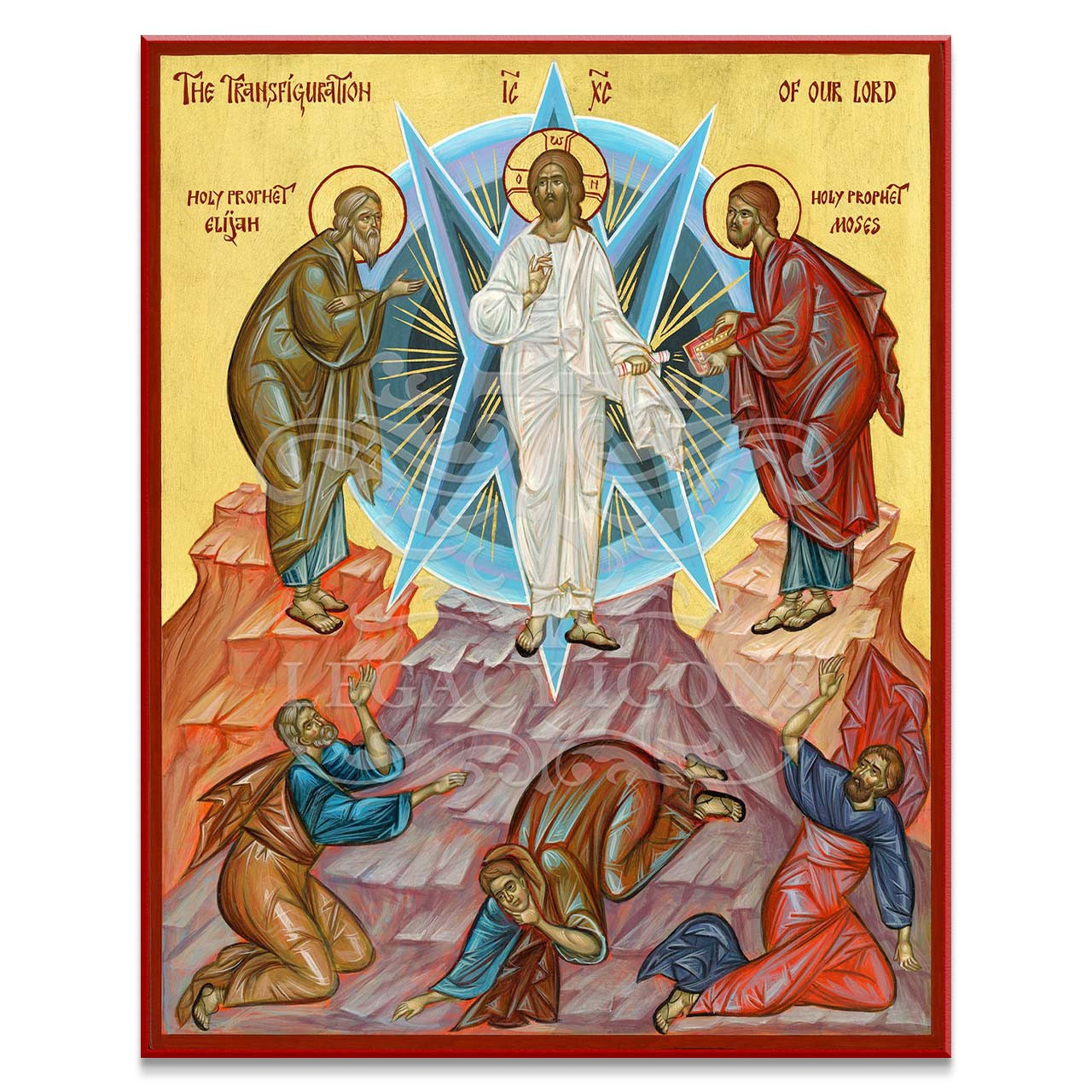
This imagery is also reflected in the transfiguration. Christ, the eternal union of heaven and earth is transfigured in all of his glory before the apostles. In the transfiguration, we see our ultimate purpose as adopted sons and daughters of God what the Eastern Christians would refer to as theosis. The lifelong journey of us being fully glorified through becoming more Christlike by the grace of God. However, whatever is happening in the transfiguration is happening in the eucharist. The meeting of heaven and earth is blessed and shown in its full glory revealing the plan of God to redeem us in our humanity.
In this analysis, we can see God’s beautiful plans for us. The way he makes a place in the world for our sub-creations. The way he wants us to build his kingdom even further for the glory of God and the good of man. We see this idea whenever we see the image of heaven and earth coming together, which reaches its peak in the incarnation. I grew up Baptist and was taught that Jesus’ incarnation was a rescue plan of sorts, but I have learned that God always wanted to dwell among us through some form of incarnation. In the liturgy of the eucharist, the transfiguration, and the creation of the world, we can see our original purpose from God: for God to dwell among us through the work of human hands and the work of God meeting together in building the kingdom of God on earth.
Recommended Stories



