Not So Ordinary Time
Sponsored

Catholic365 is sponsored by
Road to Purity



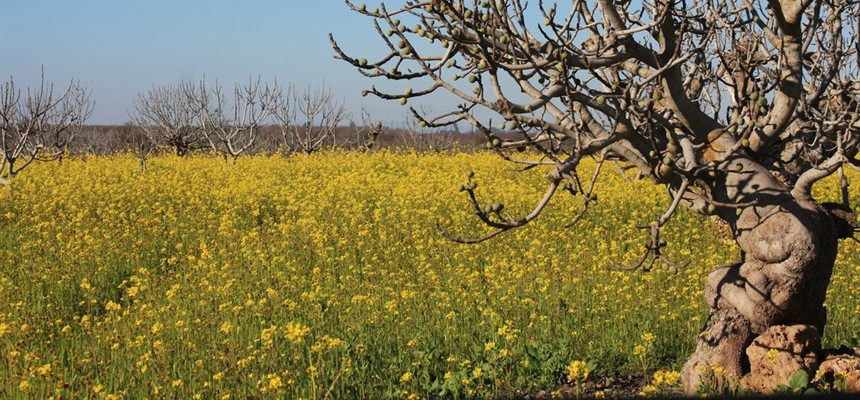
In Catholic life and leadership coaching, the approach of "inserting" oneself into scripture can be transformative, especially in deepening understanding and personalizing God’s message. This reflective practice helps people see how scripture relates to their own lives and challenges, encouraging them to step into the story and consider where God might be calling them to grow or change.
The Parable of the Barren Fig Tree from Luke 13:6-9 beautifully illustrates this process. When we examine this passage in the context of our lives, we might ask:
Who do you identify with? Perhaps with the unfruitful tree or the patient gardener?
What feelings does it invoke? Are there areas of impatience, frustration, or hope for second chances?
For Catholic coaches, this practice can be an entry point into a deeper discussion about purpose, fruitfulness, and the patience of God’s love. When we examine our unfruitful "branches," we reflect on where we may have fallen short in bearing fruit. Are there gifts and talents we’ve neglected, like a hidden potential that needs “fertilizing” and nurturing?
Church leaders can play a critical role in modeling and encouraging this type of scriptural engagement. Through homilies, spiritual direction, and ministry work, they can highlight the importance of aligning one's life with God's Word and seeing scripture as a living, personal dialogue with God. Leaders can use this parable as a springboard to discuss how each member of the parish might better bear fruit—whether by serving others, living out their faith in the community, or using their unique strengths to build up the Church.
Reflecting on the parable of the fig tree reminds us that God is immensely patient, giving us countless chances to change, grow, and bear fruit. As coaches and leaders, we can inspire others to see this patience not as a reason for complacency, but as a loving nudge toward active transformation. Just as we care for a plant, God cares for us—providing guidance, nourishment, and pruning where needed, all so we might flourish for His Kingdom. In this way, coaching, rooted in scripture, becomes a process of spiritual cultivation, empowering people to live out their faith fully and fruitfully.
If this reflection stirred something in you, consider taking the next step:
Set aside time this week to “insert yourself” into a Gospel passage and notice what God is saying to you.
Share your experience with a trusted friend, coach, or spiritual leader.
If you’d like guidance on how to discern and nurture the gifts God has planted in you, I’d be honored to accompany you through Catholic life and leadership coaching. Let's connect at RootedCatholicCoaching.com
Linda Delia is a lifelong Catholic who resides in the Hudson Valley region of New York State. She is a mom, daughter, friend, writer and Certified Professional Catholic Coach. Each beautiful title is how she lives out her Catholic faith for the Master Gardener of her life. In her spare time she enjoys the great outdoors with her family and friends.
Linda has been actively involved in parish ministry for over 35 years and now enjoys following Christ's example of journeying with others as they encounter the love of God calling them to be fully alive in every season of their life. She helps Catholic ministry leaders and women of faith as they navigate vocational transitions, gain clarity, confidence, and direction, especially in those deeper, quieter stages of faith where clarity feels hidden, leadership feels heavy, and growth feels unknown. Through Rooted Catholic Coaching, she accompanies others to grow with God, not apart from Him.