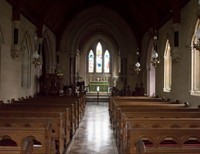
Our body is a temple of God

Teaching to Pray


Photo By: Flickr/Ron Myers
As a catechist to Confirmation students, I am always being asked, "Why does the Church do this or why does the Church have this rule?" It seems no matter how I approach the subject with my students, they do not understand the rules. My students are stressing over picking a Saint's name and writing a paper on the Saint. They are stressing over writing a letter to the Pastor as to why they are deemed worthy to make their Confirmation. With two massive projects being due before making their Confirmation, I watch them stress each week over the assignments.
Like most catechists, we all go into the program hoping that we can make a difference in the lives of our students. More importantly, I went into the program hoping that I could just pass on my zeal for the Catholic faith. However, each week, I see my own zeal dying as I watch my students struggle with their faith. Trying to come up with a lesson plan, God had other plans for me and how He wanted to use me to influence the children.
The topic for the week was Prayer. It was more like learn how to pray 101, and I thought these sixth and seventh graders knew how to pray. They have been praying since they started the program. Somehow, in the midst of our conversation about prayer, my students asked me why I write in the Daily Missal and why do I take my religious book to Mass with me each day. It dawned on me that God speaks to me every day. He sends me these messages that I write down in the Missal. Going through the Missal, I saw some prior confession thoughts, a question a priest posed in the Homily, and just some random sayings. And yet, all of those things never made it out of the Missal for me to reflect on.
While going through the Our Father line by line to what each word means, my students were starting to realize that we ask God to forgive all of our sins. However, we forget to forgive others for their sins. When we came to the words “…and forgive us our trespasses, as we forgive those who trespass against us….”, I asked my students if they want God to forgive all of their sins or just the little sins. I started to explain that we forget that we need to forgive the big sins that others commit against us. We all have been hurt. We have been hurt by our parents, kids at school, bullies, and all those other things. We carry those hurts around for years. We sometimes continue to carry those hurts even as we are adults. Those hurts become grudges and those grudges start making our hearts into potatoes. We need to pray to allow our potatoes that represent our hardening hearts into soft potatoes.
While my students were asking me about my own prayer life, it dawned on me that all of my fellow catechists are older than me. The priests in the parish are a lot older and wiser. These children saw a young person having a zest for the Catholic faith. Some of my students fell out of their seats when they found out that I attend Daily Mass. At the same time, while watching each one of my students’ faces, I realized that my own prayer life was suffering. I was attempting to put on a show that I have a great prayer life, but God was showing me that something was lacking.
Through my students, I was able to see that prayer was not just taking all the petitions of everyone else to the Lord. It is following through with the next steps of actually listening to what God was and is telling me. All of the prayers are always answered, and I may not like the answer God is giving me. Yet, somehow, God knows what I need at each moment. He knows that the prayer chapter for the students was not just for them, but for me: how I needed to relearn the importance of prayer. Most importantly, it was the opportunity that Christ wanted me to step back and re-evaluate my own prayer life.
Recommended Stories
About the Author
Tess Shore has dedicated her life and career to serving the underprivileged community with Shore Life Coaching. As a motivational speaker and educator, Tess specializes in coaching young adults in building better self-confidence and overcoming body issues. She is a guest speaker for Pathways to Success at her alma mater, helping juniors and seniors find their missions in life. Tess has a courageous commitment to passionately advocate for young adults dealing with issues like bullying and suicidal thoughts. Her work allows her to bring awareness to other young adult issues as well, especially those that come with transitioning into the corporate world. Tess guides her clients in building strong values and leads with zeal, inspiration, and passion. She also volunteers and serves in many capacities in other endeavors.
She can be found at http://shorelifecoaching.wordpress.com where she blogs on various issues on how to live more Christ-like. In her spare time, Tess can be found running and having a zest for life.