That Santa Thing

Partly Human Most of the Time
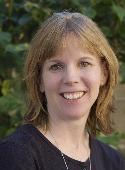

Photo By: Flickr/Art4TheGlryOfGod by Sharon
What does it mean to be fully human? When I was growing up I learned that it was to be completely independent and in control. I tried controlling myself with limited success. I tried controlling my surrounding with less success and I tried to control others with obvious disastrous results. It then occurred to me that I was listening to advice from people who were themselves unhappy and out of control. As I listened more closely to these people I realized that they were more intent on being hurt and validated than tapping into their natural potential. All my life I had been listening to anger and regrets. Why? Why all of this wasted time? Why live for decades, decades!, stewing about past actions in spite of current opportunities.
In one theology class an angry older woman proudly stood up on the first day and made her position clear: “This was written by a man for men. I am a feminist and refuse to read it. I will no longer be mastered by men!” Something deep within me shifted; a piece of the puzzle fell into place. Could it be that I was seeking wisdom from people who, instead of learning from the past and molding the future, were simply rejecting everything? Is modern society formed by a generation of people who had the opportunity to become educated, travel, and learn why and instead said “don’t trust anybody over thirty”?
I am a historian. I do not claim there was ever a golden age of anything. I don’t propose ever going back. But I do know that many ideas running wild about Catholicism are written by people who are so liberated that they don’t feel the need to learn about it. We are the product of 2000 years of Roman rule so we already know, right? Or have we forgotten something?
In the beginning (the short version)….
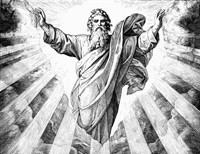
In the beginning man and woman were created: body, soul and intellect, equal and good in the sight of God. They were created with dignity to be in relationship with God: body, soul and intellect, free to love and be loved completely. Adam and Eve, you and me, we were created to be a living sign of God’s love; completely in harmony with our body, soul and mind. In short, our individual choices are meant to be a physical sign of the eternal God. We were created to be free to love God and one another, and that love should be free to be fruitful.
Then a being, a serpent sometimes called Satan, who had chosen to separate himself from the source of all Goodness, tempted Adam and Eve with the idea that they could create a full, fruitful reality without the Source of All Creativity. (Is it any wonder that a being who could no longer create should first go to a woman, who is by her very physiology capable of sustaining a new body and soul within her?) Adam and Eve agreed with the serpent and we have been willingly cutting ourselves off from God ever since.
Hate the sin.
What keeps us from living fully? The easy answer is that evil enticed us to sin. Now we have sinful natures. We screw up and now we need saving. It hardly seems fair when it’s put that way. It makes it sound like we’re flailing around in the dark trying not to offend God any more than our existence already does. Or maybe sin isn’t such a terrible thing. After all, we all make mistakes. We’re fallen. What do you expect?
Why does God hate sin? Because sin is a direct movement away from God. It is a movement away from our very natures. It is believing those dark voices in our mind which trap us into feeling miserable about ourselves and others. Remember: Satan uses our sins to accuse us. God reminds us of our dignity. God wants us to live fully in spite of ourselves.
Love the sinner:
How do we get close to God again? There is a very real factor which one must consider when entering a relationship with God post fall: There can be no interaction with God without sacrifice. This isn’t the way God intended it. It’s not how or why we were created. But we set up the paradigm and God will follow it. God gave up His very self for us. What are we called to give up? We might be under the illusion that we are meant to give up our intellect to archaic rules. Or perhaps give up our talents to stay at home and take care of a zillion ungrateful children who are mindlessly programed judge others and live a limited, dour life. Or perhaps we are supposed to offer up our strengths and leave nothing for ourselves. This in no way sounds like living fully.
It might come as a shock that God has no need of our strengths. He is the source of all strength and all creativity. What He really wants is what we keep from Him: our sinfulness. What you ask? Don’t I have to be pure and perfect before I can approach God? Absolutely not! God asks us to hand over what is most important to us. If we’re really honest our greatest treasures tend to be our wounded pride, our hurts, our painful memories and bad decisions. God already sees us as beautiful and holy because He knows that He can heal us. We stubbornly insist that we are unlovable and not in need of healing. We are “fine, just fine”. Is it any wonder that we feel so dissatisfied with our relationship with God? We are being dishonest. We are lying to ourselves and to God. And we aren’t fooling God! But what if we just don’t know who we are anymore? What then?
Practical steps for becoming whole:
Who are you listening to? What television shoes do you watch? What kind of music do you listen to? Does what you read make you feel justified in your anger? Does it spur you to positive action or self-righteousness? There are lots of people out there trying to shape your opinions. This isn’t paranoia and there’s no shame if you get sucked in. After all, people go to journalism school and study marketing and advertising for a reason. It is pointless to say that such things don’t affect you when thousands of hours and millions of dollars have been invested to grab your attention. Do you really know what you believe and why you believe it? Unplug for a while. Just sit quietly instead and see how you feel.
Check your sources. Have you read the same story in several places (so it must be true!) only to find out that each publication took it from the exact same source? Perhaps it’s about the latest scandal or maybe the “medieval” source was really from the 1800s. Is the story even accurate?
Be on the lookout for reporting being affective instead of effective. Be critical. Use your mind. Follow the argument to its logical conclusion. Is their “scientific” source scientifically sound? Or is “what everybody knows” based on research that has since been debunked? Or perhaps the argument is just illogical. You might be surprised.
Find out for yourself. This is especially easy when dealing with the Catholic Church because everything is online for free. What does the Church say about the human body? Marriage? Easy! Pour yourself a beer and look it up. It’s all on the Vatican website in several languages – even Latin. Did I mention it’s free?
Take care of yourself. Be good to your body. Live a balanced lifestyle. Get exercise. It’s called virtuous living. Be in control of your bodily impulses. This is difficult in our instant gratification society but think of it this way: It is impossible to know if God is calling you if you’re passed out drunk or are totally sleep deprived.
Read the Bible. I’m continually amazed how many people are resistant to reading the book that is the foundation for Western civilization. If it’s your first time reading it then start with the New Testament. It’s really a beautiful (and exciting) story.
Pray the rosary. I haven’t always been a fan of the rosary, but now I carry it with me everywhere. It’s a beautiful way to step outside your worries and contemplate the life of Jesus. It will make you more grounded and joyful. I promise.
Read books about the saints. These are people, just like us, who believed that Jesus can and will heal them. The best thing about these stories is that within them are treasure- troves of easily-accessible, sound theology. And each story is a different adventure. There isn’t just one way to sanctity.
If your life is more than you can handle then it is quite likely that you are carrying burdens that you have chosen for yourself. Let them go. God will not give you what you cannot handle. And God will never, ever demean your dignity.
Do an examination of conscience. Every night. Don’t approach it as a series of rules that you have broken but as things that have pulled you away from a loving God. Most important is knowing why you do what you do. (This is a great guide for virtuous living!) Are you trying to become the best version of yourself?
Approach God honestly and humbly. Find a good priest and go to Confession. If you think you need more time then schedule an appointment. I can’t speak for all priests but most now are much better trained and compassionate. They are more interested in healing than shame. And you can’t shock them either. Nor can they tell anybody about what you said or even if you went to see them at all. (Within the confines of the Sacrament of Confession, that is.)
Approach God in Eucharistic Adoration. This is my absolute favorite! This is where to go if you want to be in the presence of Someone who loves you just the way you are. Jesus will never, ever ask you to be smarter, prettier or more popular. He will never say that you need to have sex with Him or use birth control or He’ll leave. He will never ask how much money you make or how clean your house is. Jesus is the Divine Physician. We go to a doctor when we know something is wrong but don’t know what. Well, spiritual sickness is the same way. We don’t have to have all the answers. We don’t have to have it “all together”. We just need to sit there.
Fruitful living:
The result of seeing yourself as God sees you is the desire and ability to free yourself from your self-imposed shackles. Who wants to be loved conditionally, even according to you own conditions, if you can be loved thoroughly, unconditionally and passionately? Who does not want to live in true freedom of being able to love and be loved unconditionally? Life will begin to have tangible meaning and bear fruit. And yes, your life will become a reflection of the mystery of God: body, soul and intellect.
Resources that inspired this article:
The Body Reveals God: A Guided Study of Pope John Paul II’s “Theology of the Body” by Katrina J. Zeno
33 Days to Morning Glory and Consoling the Heart of Jesus by Michael E. Gaitley, MIC
Catholicism DVD series by Fr. Robert Barron
Recommended Stories
About the Author
Loretta has traveled the globe searching for knowledge and academic degrees. It took the birth of her son for her to search for wisdom. Her journeys have taken her to the former USSR and across Western Europe and North America. She has a B.A. in Medieval Studies and an MA in Theology. She currently resides in Arizona with her husband and three wonderful children. Lately Loretta has been speaking about theology and facilitating local retreats. She can be found in coffee shops and at lmylerpublic@gmail.com